In a nutshell: To get started with LinkedIn Ads the right way: make sure you have complex or high-ticket sales, set one clear objective per campaign, target by job title, company and industry (small, highly qualified audiences work well), start with a conservative budget, focus on storytelling in your creatives and keep nurturing your audience before you ask for the sale.
“Where do I even start with LinkedIn Ads?”
That’s hands down one of the most common questions we hear from marketers.
Even though LinkedIn is seen as the world’s top business network, lots of people still feel lost taking their first steps on the platform:
- questions about targeting
- worries about cost
- trouble generating truly qualified leads
- and not much clarity on how to structure campaigns that work in their market (or internationally)
This article was made for exactly that: to be a clear, strategic and realistic starting point for LinkedIn Ads, explaining not just the “how” but, above all, the “why”.
Who is LinkedIn Ads for?
LinkedIn has become the place for professional, strategic, big-money decisions. That’s why it tends to work best for companies that sell through relationships, trust and authority.
B2B companies
Especially those with:
- complex sales
- long buying cycles (6+ months)
- mid-to-high ticket deals ($10K+ a year)
- multiple decision-makers
Industries that usually see great results with LinkedIn Ads include:
- Tech and SaaS
- Professional services
- Consulting
- Executive education
- Manufacturing and technical solutions
High-ticket B2C companies
LinkedIn is mostly B2B, but it also works for B2C when the purchase:
- takes research
- involves authority
- isn’t an impulse buy
Examples: mentoring, career coaching, real estate, luxury cars and high-end financial services.
“My company is B2C and sells low-ticket products. Is LinkedIn Ads worth it?”
Most of the time, no.
LinkedIn isn’t built for quick consumption or entertainment. For that kind of offer, other networks usually give you better value for money.
That said, some companies like that are still pulling off great results. We’ve seen people crushing it selling life insurance on LinkedIn. Talk about a red ocean!
Why invest in LinkedIn Ads?
A super common question is whether LinkedIn is really worth it compared to other platforms.
The main reasons LinkedIn Ads keeps growing:
- An audience focused on business and careers
- Self-reported professional data (not just inferred from behavior)
- People with real decision-making power
- A safer, more professional environment
On top of that, LinkedIn lets you do something rare in digital marketing: reach people based on who they are professionally, not just on what they consume online (firmographic targeting).
Platform comparison
| Platform | Targeting type | Audience profile | Main media goal | Average cost per lead |
| LinkedIn Ads | Self-reported professional data: Job title Function Seniority Industry Company size Current company | Working professionals Managers and decision-makers Leaders and executives B2B audience High buying power | Qualified lead generation B2B brand positioning ABM (Account-Based Marketing) Market education Authority and trust | Mid to high cost High quality Lower volume |
| Meta Ads | Behavioral and interest data: Content interactions Buying habits Affinities Lookalike audiences | Broad audience End consumers Varied interests B2C and light B2B | Reach and brand awareness Engagement Low-ticket conversions Lead volume | Low to mid cost Higher volume Mixed quality |
| Google Ads | Intent data: Searched keywords Content consumed Browsing history | People with immediate intent Active researchers Mixed B2B and B2C audience | Direct conversion Capturing existing demand Performance and immediate ROI | Mid to high cost High intent Heavy competition |
Want the head-to-head breakdowns? Read LinkedIn Ads vs. Meta Ads and LinkedIn Ads vs. Google Ads.
LinkedIn Ads: why the investment keeps growing
According to Dreamdata’s LinkedIn Ads Benchmark Report 2025, LinkedIn’s share of companies’ digital media budgets grew from 31% to 39%.
That growth comes down to three things:
- More mature digital B2B teams
- The hunt for more qualified leads (not just volume)
- The rise of strategies like ABM and demand generation
How to build effective ad campaigns
Effective LinkedIn campaigns start before you even open Campaign Manager.
1. Nail down your campaign objective
First, answer this: what do you expect from this campaign?
- Lead generation → Lead Gen Forms or Conversation Ads
- Qualified traffic → website visits campaigns
- Positioning and authority → video and Thought Leadership Ads (boosting posts from your company’s spokespeople)
Not sure which one to pick? Our guide to LinkedIn Ads objectives breaks it down.
How advanced targeting works
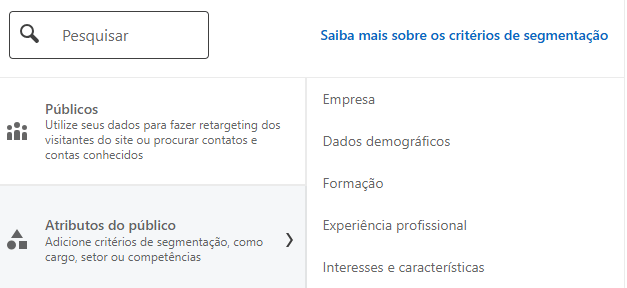
One of the platform’s biggest advantages is its advanced targeting options, like:
- job title and function
- seniority
- industry
- company size
- location
- company lists (ABM)
Here’s a big one for beginners: small audiences aren’t a problem on LinkedIn.
LinkedIn officially recommends 50,000 members, but many B2B strategies work better with audiences of 750 to 2,000 highly qualified professionals.
How bidding and budget work
LinkedIn uses an auction model similar to other platforms, with a few quirks:
- costs tend to be higher
- competition is based on relevance + bid
- more relevant ads pay less over time
That’s why starting with conservative budgets, testing different stories and optimizing often is essential. (For numbers, see how much LinkedIn Ads costs.)
Which ad formats get the best B2B returns?
There’s no single winning format, but a few tend to perform better in B2B:
- Lead Gen Forms for lead generation
- Short videos for authority and education
- Document Ads for in-depth content (like a carousel, but with a PDF)
- Thought Leadership Ads to position your executives (a regular post from a personal profile, boosted)
The key is less about the format and more about the story.
According to MarketingProfs, 65% of B2B content is considered irrelevant by decision-makers.
In other words, skipping the obvious is mandatory.
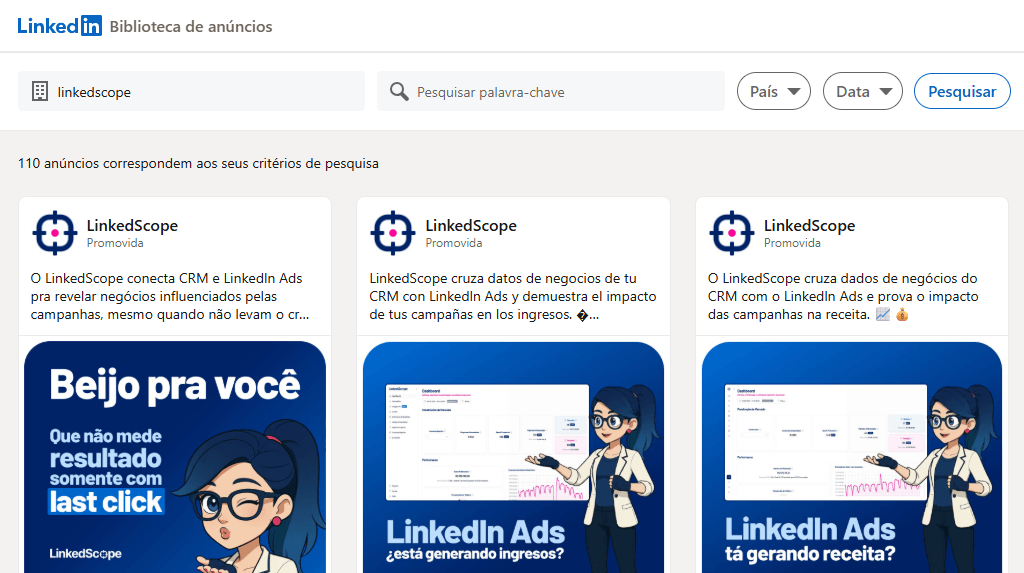
👉 Bonus tip: use the LinkedIn Ad Library to see how your competitors are positioning themselves and build up your swipe file with ideas from all kinds of advertisers.
How to optimize ads for qualified leads
A few must-do best practices:
- set up your UTMs properly
- look at metrics beyond lead volume
- track conversion rate, CPL and CAC
- use the company engagement report to validate real impact
Lead gen without qualification usually ends in a frustrated sales team.
Always-on nurturing: warming leads up before the sale
Most companies get it wrong by only advertising when they want to sell.
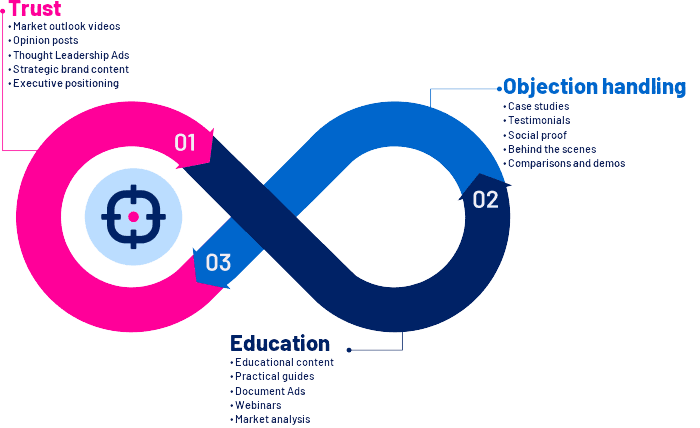
An always-on nurturing strategy works on three pillars:
- education
- building trust
- handling objections
It happens through:
- high frequency
- a mix of formats
- a mix of stories and messages
The result is an environment of constant consideration, where your brand is top of mind at the right moment.
Other questions you might have right now
Which platforms integrate with LinkedIn Ads?
Tools like HubSpot, Salesforce, Pipedrive and other B2B CRMs integrate for automation and lead tracking. (Here’s how to set up your LinkedIn Ads CRM integration.)
Where should I analyze campaign performance?
Besides Campaign Manager itself, BI tools, CRMs and attribution platforms help you understand the real impact on your funnel.
In LinkedScope, for example, beyond tracking performance, you can de-anonymize the companies your ads reached, get AI analysis and recommendations for your campaigns and optimize your targeted audience in real time.
How do I stay compliant with privacy rules?
To stay compliant, you need to cover three fronts:
- LinkedIn’s advertising policies: avoid over-the-top promises, misleading language and any kind of discrimination. Keep it professional, clear and responsible.
- Privacy laws (like state privacy laws in the US, such as the CCPA, or the GDPR if you target Europe): be transparent about how you collect and use data, keep your privacy policy easy to find and don’t ask for unnecessary info in your forms.
- Communication best practices: keep your ad, landing page and form aligned, so it’s crystal clear what the lead is going to get.
Companies in regulated industries (finance, education, healthcare, legal) need to be extra careful and, whenever possible, run their messaging by compliance.
Final thoughts
LinkedIn Ads isn’t a platform for shortcuts, and it isn’t about volume. It’s about distribution. You need to build trust with your audience before going for the sale. After all, the goal is to keep your message in front of your ideal customer, over and over, with high frequency.
- 95% of your audience isn’t ready to buy right now
- 100% of them need to trust you when the time comes
If you feel you need expert support to build this strategy with more confidence and consistency, it’s worth finding partners who get your context and know how to point you in the right direction.
Frequently asked questions
Does LinkedIn Ads work for B2C?
It works for high-ticket B2C, when the purchase takes research and trust (coaching, real estate, financial services). For cheap, impulse-buy products, other networks usually perform better.
What’s the ideal audience size on LinkedIn Ads?
LinkedIn recommends 50,000+ members, but many B2B strategies work great with audiences of 750 to 2,000 highly qualified professionals.
Is LinkedIn Ads more expensive than Meta and Google?
Cost per lead tends to be higher, but so is quality: you’re paying to reach decision-makers based on self-reported professional data.
How do you nurture leads on LinkedIn?
With high frequency, a mix of formats and varied messages that educate, build trust and handle objections.